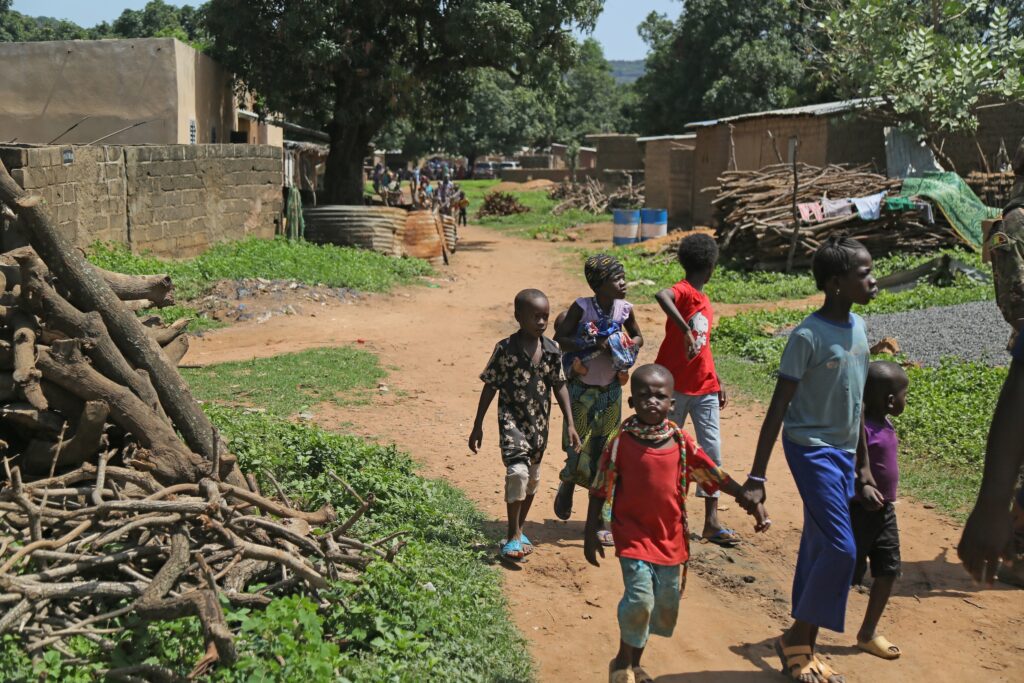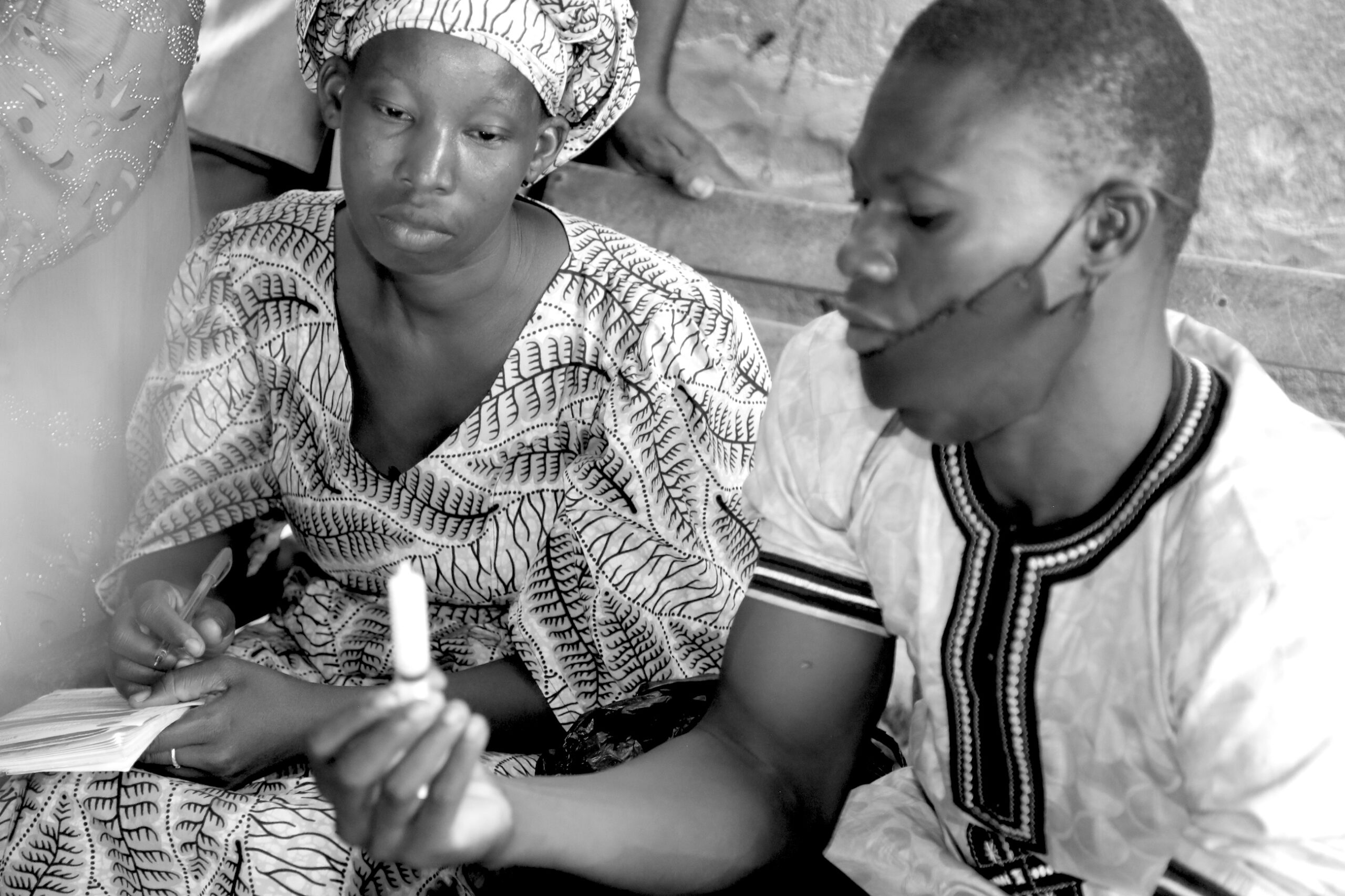
Combining local research with global partnerships, CVD-Mali has helped bring life-saving vaccines to millions of people across Mali.
The key strength of CVD-Mali’s work is its ability to turn local evidence into national action.
Research conducted by CVD-Mali, whether in the field or in its laboratories in Bamako, has been able to show where the need is greatest, and to directly shape national vaccine policy as a result.
The Hib story
One such example is Haemophilus Influenzae Type B (Hib), a major cause of severe infection in children.
Before the Hib vaccine was introduced in Mali, a great many children at Hôpital Gabriel Touré in Bamako were presenting with high fever and symptoms consistent with invasive bacterial disease.
At the time, the hospital itself lacked routine bacteriology services, limiting accurate diagnosis and response.
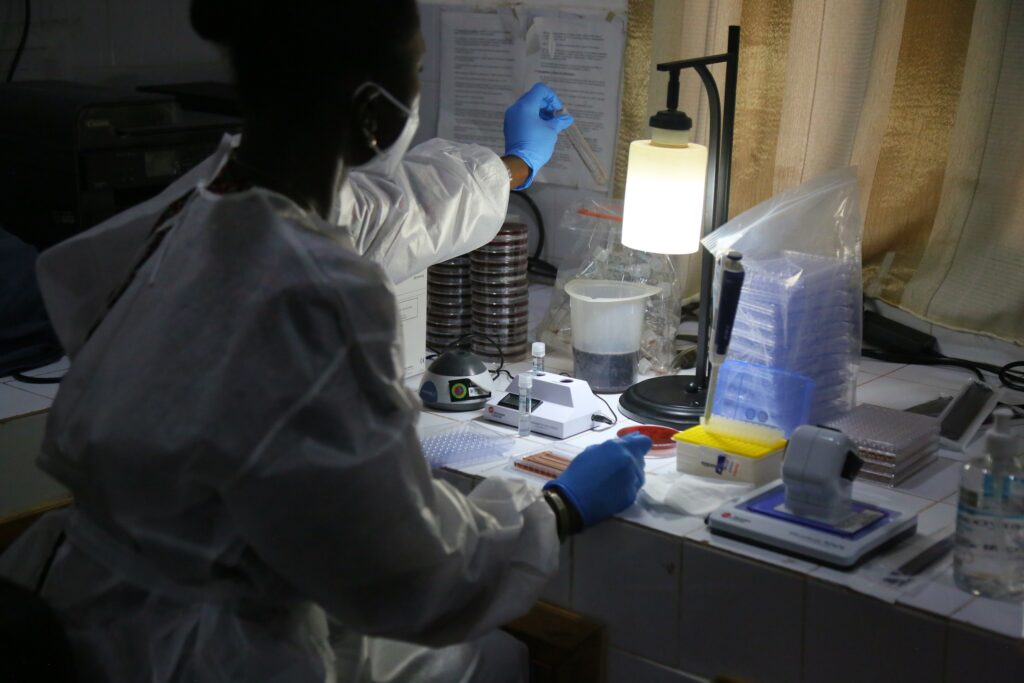
CVD-Mali and its partners were instrumental in changing this. A clinical bacteriology laboratory was established and equipped, and Malian scientists were trained in microbiology, data management, and good clinical practice.
Surveillance systems were simultaneously strengthened, thus enabling continuous monitoring of severe childhood infections.
And the results spoke for themselves.
Evidence generated in Bamako revealed the true scale of Hib disease and its impact on child survival, which led to the introduction of the Hib vaccine in Mali.
Following rollout of the vaccine, cases dropped dramatically, by as much as 88 percent, protecting thousands of young lives.
A model for success
This model – generate evidence, build capacity, translate findings into policy – guides all of CVD-Mali’s work.
Since 2005, we have played a central role in introducing the following vaccines into Mali’s national programme:
- Hib pentavalent (2005)
- MenAfriVac Mass Campaign (2010)
- PCV13 (2011)
- HPV vaccine (Merck) (2011)
- Rotavirus vaccine (2014)
- MenAfriVac routine EPI (2017)
CVD-Mali has also brought its expertise in vaccinology to bear on emerging, global threats.
Protection against emerging threats
During the COVID-19 pandemic, it administered clinical trials of several candidate vaccines, working alongside major international partners such as the World Health Organization and Gavi, the Vaccine Alliance.
This work helped ensure that African populations were represented in vaccine research and that new solutions could be evaluated in real-world settings.
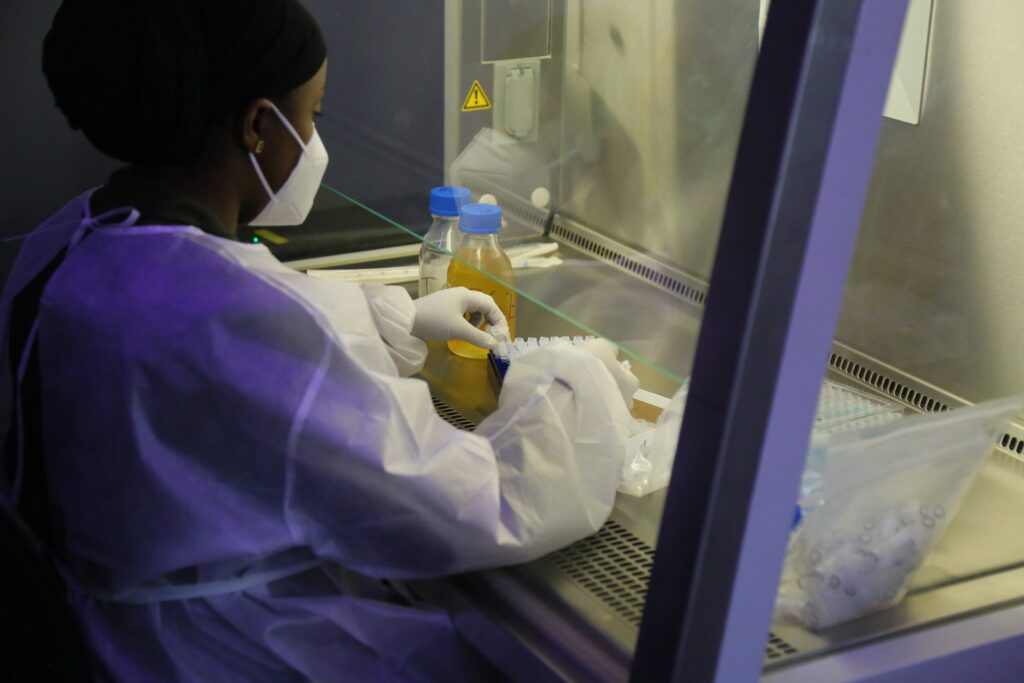
Building vaccine capacity in Africa
CVD-Mali is working towards a future where immunisation services reach every child.
This requires sustained leadership, long-term investment, and a strong commitment to equity. The key principles are that vaccination programmes be:
- people-centred,
- designed around the needs of communities, and
- accompanied by trust and confidence in vaccines.
Vaccine development and manufacturing remain complex and resource-intensive pursuits, and progress depends on coordinated investment in infrastructure, skills, regulation, and technology.
CVD-Mali is committed to strengthening these systems, in conjunction with its partners, to ensure reliable access to the life-saving power of vaccines for all.